
Understanding tracking, activity data, and what these devices realistically offer
Dog DNA tests have become increasingly popular, promising insights into breed makeup, health risks, and even behavior. Some of these claims are useful. Others are misunderstood.
At their core, dog DNA tests analyze genetic markers found in your dog’s saliva or cheek cells and compare them to reference databases. From this, they can identify probable breed ancestry and flag certain known genetic variants. This information can be informative — but it’s not a crystal ball.
What DNA tests can tell you reliably:
Likely breed ancestry based on available reference data
Presence of specific, well-studied genetic markers
Carrier status for certain inherited conditions
Basic traits tied to genetics (coat type, size tendencies)
What they cannot do:
Predict exact behavior or personality
Diagnose disease
Guarantee health outcomes
Replace veterinary evaluation
Account for environment, training, diet, or lifestyle
Genetics provide probabilities, not certainties. Two dogs with similar DNA profiles can live very different lives depending on their upbringing and care. A test may indicate a genetic risk factor, but that does not mean a condition will develop — only that the risk may be higher than average.
It’s also important to understand that DNA databases vary by company. Results can differ slightly between tests because they rely on different reference populations and statistical models. This doesn’t mean one test is “wrong,” but it does mean results should be interpreted thoughtfully rather than taken as absolute truth.
The most responsible way to use a dog DNA test is as a starting point for understanding, not a final answer. When used correctly, these tests can help guide conversations, expectations, and awareness — but they should never replace professional medical advice or hands-on observation.

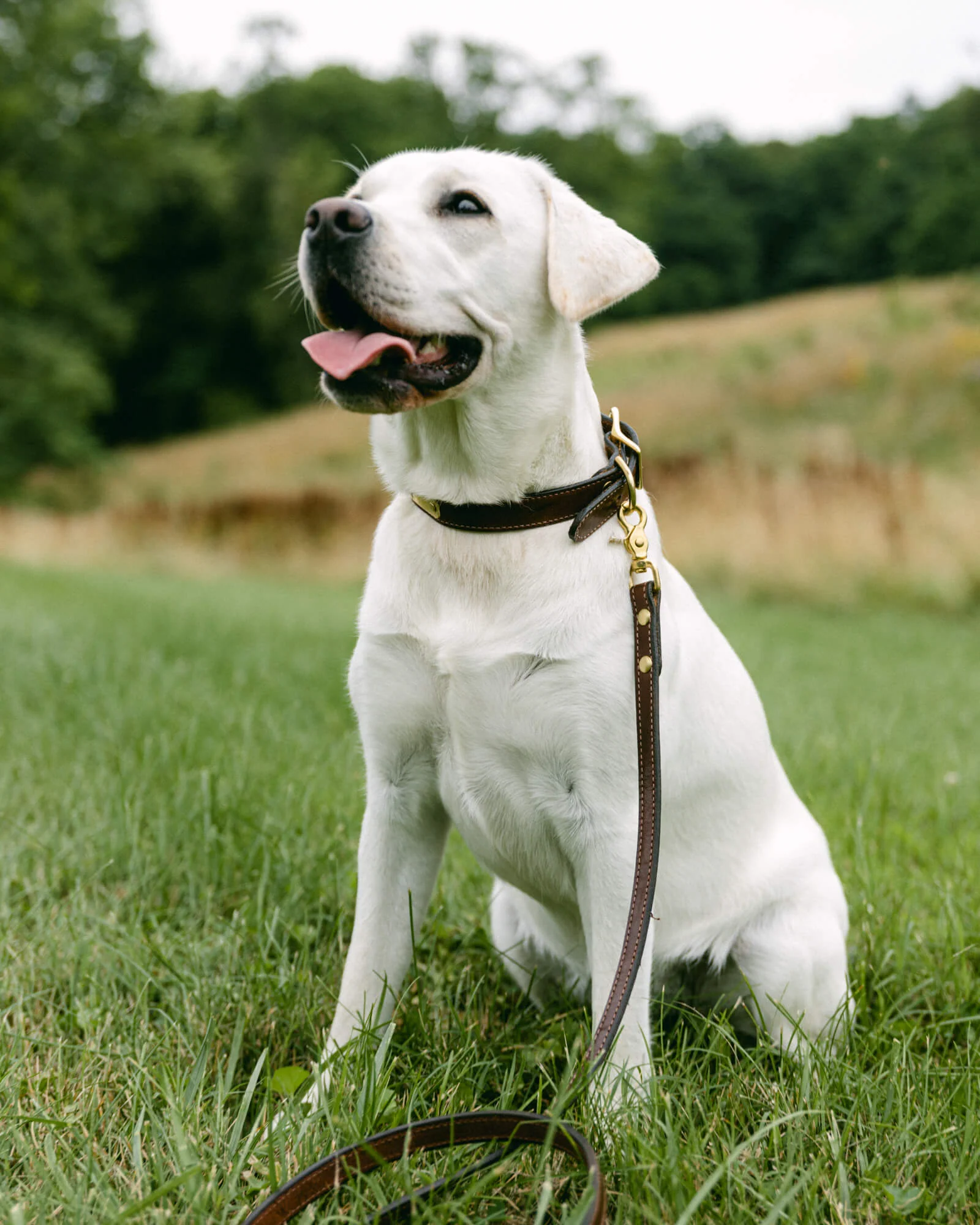
Not all tracking collars work the same way. The underlying connection technology determines range, accuracy, battery life, and reliability.
Bluetooth trackers rely on short-range connections to nearby phones. They work best in dense urban environments where many devices are present. However, they offer limited real-time tracking and are not reliable once a dog moves out of range.
GPS trackers use satellite positioning to calculate location. GPS itself provides coordinates, but it still requires a way to transmit that data back to your phone. GPS accuracy can vary depending on environmental conditions, such as buildings or tree cover.
Cellular trackers combine GPS positioning with cellular networks to transmit location data. These devices typically offer the most consistent real-time tracking but require monthly subscriptions. Coverage depends on carrier availability and signal strength.
Key trade-offs:
Bluetooth: no subscription, limited range
GPS-only: accurate positioning, limited transmission
GPS + cellular: broader coverage, ongoing cost
No option is universally “best.” The right choice depends on where your dog spends time, how far they may roam, and how quickly you need location updates.
Smart collars behave very differently indoors versus outdoors, and understanding this distinction helps avoid frustration.
Indoors, GPS signals can weaken or disappear entirely. Walls, ceilings, and dense building materials interfere with satellite reception. Many collars rely on Wi-Fi positioning or motion data indoors, which reduces accuracy but still allows for basic activity tracking.
Outdoors, GPS performs best in open areas with clear sky visibility. Accuracy can drop in dense urban environments with tall buildings, narrow streets, or heavy tree cover. Update frequency also plays a role—some collars prioritize battery life over constant tracking.
Use-case considerations:
Apartments: activity tracking and alerts matter more than GPS precision
Yards: geofencing can help, but physical barriers remain essential
Hiking or travel: coverage, battery life, and signal reliability are critical
Smart collars should be matched to environment first, not feature lists.
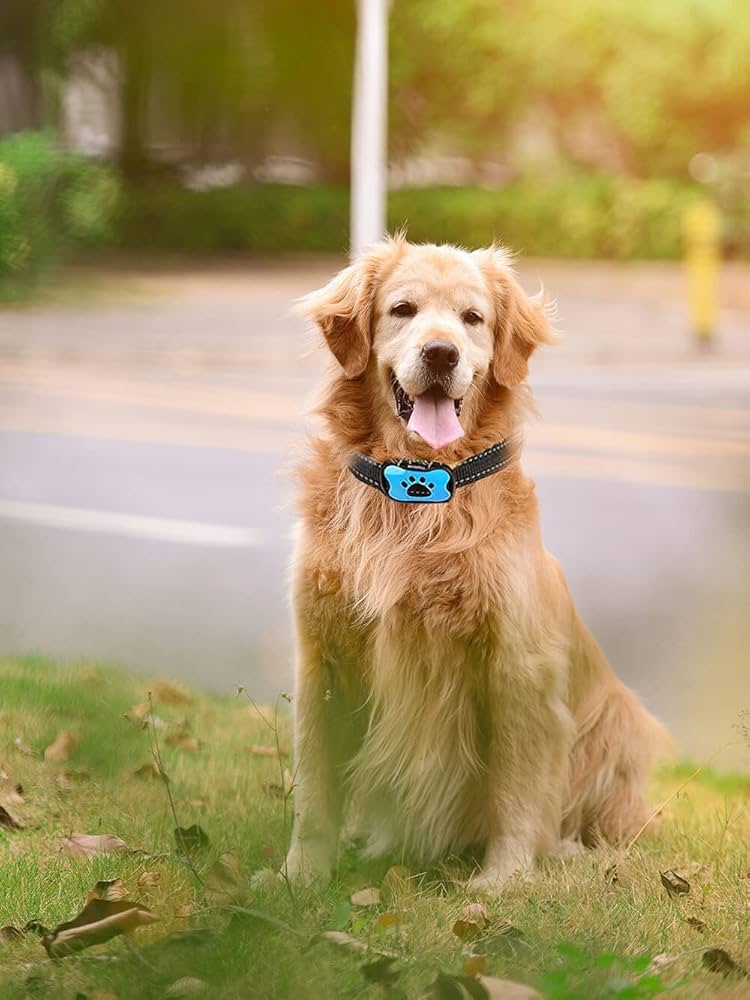

Battery life is one of the most misunderstood aspects of smart collars. Advertised battery estimates often assume minimal tracking and ideal conditions. Real-world use, especially frequent location updates, drains batteries faster.
Factors affecting battery life:
Tracking frequency
Cellular signal strength
GPS usage duration
Temperature and activity level
Accuracy is also situational. Even the best collars provide approximations rather than pinpoint certainty. Delays, signal loss, or temporary inaccuracies can occur, particularly in challenging environments.
A smart collar should be viewed as an early-warning tool, not a fail-safe system.
A tracking collar is only helpful if it’s safe and comfortable. Poor fit can cause irritation, slipping, or inaccurate data.
Key safety guidelines:
Collar should be snug but allow two fingers of space
Weight should match the dog’s size
Charging contacts should not rub constantly
Collar should be removed periodically for inspection
For some dogs, a harness-mounted tracker may be a safer alternative. Comfort, movement, and long-term wear should always take priority over features.